

What You Should Know About iPhone Headphones
Apple's headphones come with the control capsule that is located on the right earpiece that allows you to adjust the volume and video playback. They have built-in microphones for voice commands and phone calls.
Apple's decision to take away the headphone plug has created anger, but it is not about the move itself. Some companies have risen to the challenge of making elegant, wired headphones that work with iPhones.
Design
The design of headphones is the major difference between regular headphones. The iPhone headphones are sleek and light, yet still deliver a high quality sound. They also have a microphone and an inline control that makes them suitable for phone calls and music playback.
The iPhone's headphones don't need batteries, unlike other wireless headsets. They are powered by the iPhone's Lightning connector. buy headphones is a way to reduce their battery life, but also makes them more convenient to use when on the go. Furthermore it makes the Lightning port is more useful than the headphone port to connect wired headphones or earbuds.
Apple's earbuds-style headphones are well-known for their sleek design and top-quality audio output. The iPhone headphones are made of premium materials, like aluminum and silicone, and offer features like active noise cancellation as well as a carrying case. The earbuds have been designed to fit your ear and are comfortable enough to wear for long durations.
The earpads and headbands are cushioned with memory foam to ensure that they are comfortable. They come with an adjustable clamping force to fit different heads and are available in several colors. Bang & Olufsen has spent years perfecting their headphones' design to make them comfortable to wear during long listening sessions. This is particularly important when listening to music while working or exercising. The headphones' lightweight design also makes them easy to transport and carry around.
The majority of iPhone headphones are compatible with the device's Lightning connector which is the primary port for charging and data transfer. Certain pairs also work with 3.5mm headphones or earbuds. Certain models have noise-cancelling technology that are powered by a battery or an integrated chip. This technology blocks out external noises and enhances voice quality when making calls.
Some of the top iPhone headphones include an accelerometer that will automatically adjust the volume when you remove the headset from your head. They can also be used to control Siri and other functions. Some of the most recent models come with special features for people who have hearing loss. There are also features such as an automatic noise reduction that lowers the volume in noisy environments, and an mute switch that lets you to silence the phone without having to remove the phone from your ear.
Sound
Apple headphones are great for those who prefer to listen to music or watch videos. They have soft ear cups and a headband that can be adjusted to ensure comfort. Some models have built-in microphones for hands-free phone calls. They have great sound quality and are priced at a reasonable price. They are also light and have an extended battery life.
Some headphones are wired and have a control button which can be used to play or pause songs or skip them. The button is typically situated in the middle of the headset. Pressing it once will stop music or video and pressing it again will resume playback. Clicking twice quickly will skip ahead, and a quick click three times will bring it back to the beginning. The control button can also be used to answer phone calls and switch between the two active audio sources.
The volume controls on the iPhone headphones are a great way to alter the audio experience. Sometimes, the controls do not perform as they should. This could be due to a hardware or a software issue. Here are some suggestions to help if your volume controls are not working on your iPhone.
First, make sure that your headphones are plugged in properly. The left earphone should be placed in the left ear, and the right earphone on the right ear.
Another possible cause of the problem is that your headphones aren't connecting to your iPhone. To fix this, you can try restarting your iPhone. If this doesn't solve the problem, try using another pair of headphones or a new Lightning adapter.
Download the latest iOS update in case the volume controls not working. This will fix the issue and restore your device's original condition. This can be done by selecting General in the Settings app. Click on Restore. If you don't have a backup, you can also use the Recovery Mode to restore your iPhone to its original state.
Apple's EarPods are among the most popular headphones on the market. They are cheap and are included with every new iPhone. They have a clear and crisp microphone and are easy to use. You can even make use of them to talk to Siri or make hands-free calls. They're also a great choice for people who don't like carrying around extra accessories or want to lose a pair of costly headphones.
Compatibility
It's a good idea to verify that your headphones are compatible with the iPhone. A majority of earbuds and headphones are able to connect to an Apple device over Bluetooth however some models have special features that allow them to be compatible with the iPhone. Some headphones come with active noise cancellation, and others rely on the Apple W1 chip to provide an easier and safer connection with the iPhone. The latest models feature hands-free "Hey Siri" which allows you to activate voice assistants using just a single command.
Since the iPhone 7 removed its headphone connector The iPhone can only be used with wireless earbuds or with wired headphones that feature an Lightning connector. Some companies have developed headphones that connect directly to the iPhone's Lightning port, like Pioneer's Rayz earbuds. These headphones come with many of the conveniences you'd expect to find in wireless earbuds. For example they automatically stop music when you remove the earbud. They also include an app that allows you to modify the EQ. The Lightning connection also sends audio data via a USB-C cord which makes it compatible with the latest iPads and Macs.
Headphone Safety on the iPhone warns users when they listen to music that is too loud for too long. The feature is based on guidelines from the World Health Organization (WHO) and International Electrotechnical Commission (IEC) standards for hearing protection. The feature notifies the user via the Headphone Notifications or Reduce Loud Sounds functions. It also automatically reduces the the volume of your iPhone when you plug in headphones.
Some people dislike the iPhone Headphone Safety function because it limits how loudly they can listen to music. The majority of people don't like the feature not because it restricts the volume, but because it's so difficult to turn off. There are several ways to disable this feature.
The standard method involves going into the Settings app and changing the classification of your headphones to speakers or different types of headphones. You could also try changing your earbuds' Bluetooth codec to a different one, which can disable the Headphone Safety feature. Some people have jailbroken their phones in order to disable the iPhone Headphone Safety feature. You can install apps that can bypass Apple's restrictions by jailbreaking your phone.
Battery life
The battery of a good pair should last for several hours before you have to recharge. This is especially important when it comes to wireless headphones. The battery must power the earbuds and earcups, and allow for Bluetooth streaming. The battery should also have enough power to maintain an entire charge, so that you aren't running out of juice before the end of your commute or workout.
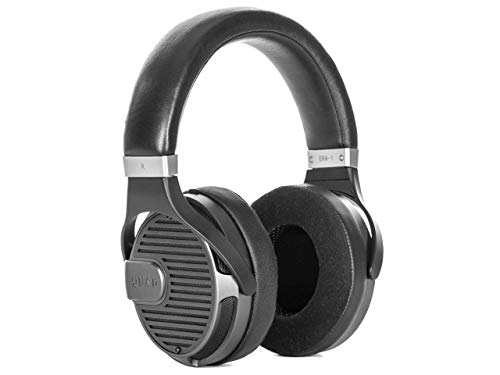
Besides playing music, most headphones also come with a microphone that lets you make phone calls hands-free. The microphone should be of good quality and be able to clearly hear your voice. Some models have noise cancellation that minimizes background sound. This feature can be beneficial when you need to concentrate on your work or studying. The controls on the headphone are designed to be simple to use, and include buttons that provide access to playback functions and the volume control. You should also be able pause, skip and rewind songs.
The best headphones for iPhones have batteries that can last up to 40 hours before needing a recharge. They are durable and comfortable for long listening sessions, even when you crank up the volume. They are also lightweight and come with a handy case that can hold up to eight charges. Some models include U1 microchips that allow you to locate your case if it is lost using the 'Find My" application.
If you're not a fan of wireless headsets Apple's wired EarPods still an option. Apple's EarPods are available with all iPhones however they can be purchased separately for $20. These headphones don't provide the same quality sound as Bluetooth headphones, however they're a low-cost option to enjoy music on your iPhone. These headphones have built-in microphones and handy controls on the side. They can also be used to make calls hands-free.
Many Bluetooth headphones have a feature that displays a notification on the screen of your phone when they're in the range. This can assist you in keeping the track of how long they've spent in your pocket or bag. Some headsets have sensors for proximity that shuts off the headphones when they are not being worn.